Move-Anywhere Brilliance: Smart Lighting and Power Rails Without Rewiring
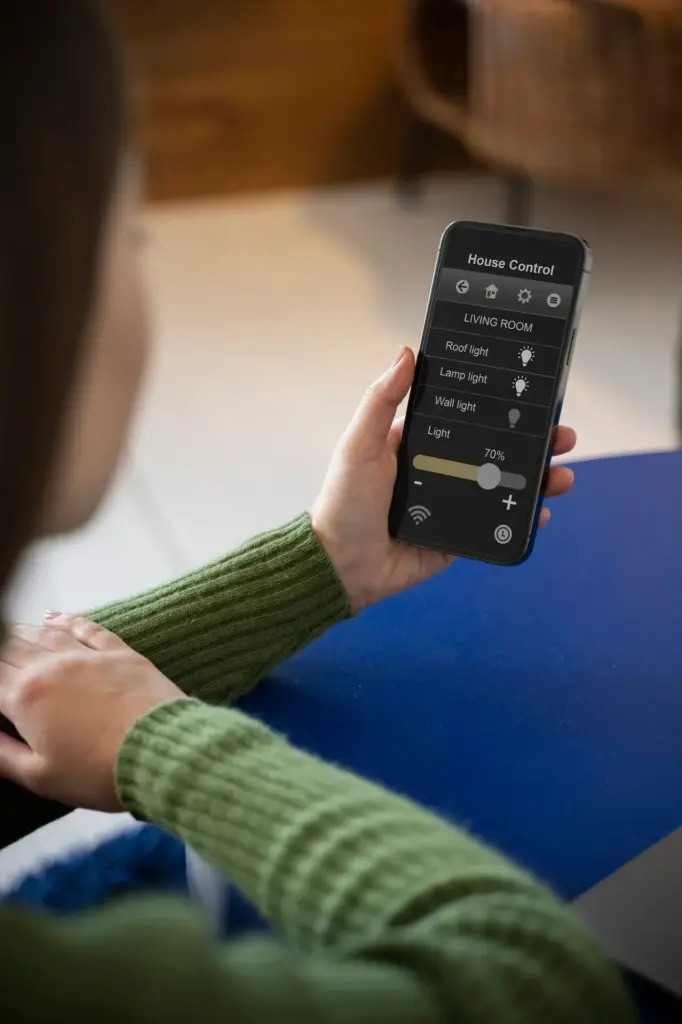
Today we explore relocatable smart lighting and power rails without rewiring, showing how modular tracks, touch‑safe busways, and wireless controls let you change layouts in minutes. Discover benefits for renters, pop‑ups, studios, and offices, plus planning tips, safety guidance, and real stories. Share your layout ideas or questions and subscribe for updates and printable checklists.

Why Mobility Changes Everything

Inside the Rail: How Power and Data Travel

Understanding what’s inside builds confidence. Modern rails use segregated copper busbars, mechanical keying for polarity, and shrouded contacts to prevent accidental touch. Smart nodes speak Zigbee, Thread, Bluetooth Mesh, or Matter, enabling scenes, schedules, and adaptive dimming without new cables. Surge protection and thermal paths safeguard reliability.

Busbars, polarity keys, and touch-safe engineering

Within the extrusion, parallel busbars carry live, neutral, and control, isolated by flame‑retardant insulators. Mechanical keys prevent misalignment, while recessed, spring‑loaded contacts stay touch‑safe even when energized. This design allows modules to slide and lock anywhere along the rail without loosening terminations or exposing conductors.

Wireless brains: Zigbee, Thread, Bluetooth Mesh, and Matter

Choosing protocols affects range, latency, and interoperability. Zigbee remains mature with wide device support, Thread offers low‑power IP routing, Bluetooth Mesh excels for dense fixtures, and Matter unifies control across ecosystems. Gateways bridge clouds cautiously, while local scenes ensure reliable operation when internet connections falter or vendor services change.

Dimming, load types, and surge protection

Track‑mounted drivers must respect load characteristics: constant current for LEDs, line‑voltage dimming for retrofits, and 0‑10V or DALI where required. Add inrush‑resistant breakers and MOV plus thermal fusing to protect electronics. Clear labeling and per‑module limits prevent nuisance trips, flicker, or early failures under demanding duty cycles.

Plan, Place, and Play: Layout Strategies for Homes and Workspaces

Great results start with a plan you can change. Map tasks, daylight, and traffic, then choose rail runs that align with furniture and sightlines. Leave expansion gaps for new modules. Scene layers let you pivot between focus, collaboration, and relaxation without moving wires, only sliding hardware.

Installation in an Afternoon: No Dust, No Drama

Skip demolition and preserve finishes. Most systems mount with screws, anchors, or adhesive backers, then connect to an existing outlet or junction. After alignment and torque checks, clip modules where needed and commission controls. The result is a clean, code‑aware upgrade finished between coffee and close‑of‑business.

Mount the backbone: studs, anchors, and alignment

Find studs or choose anchors rated for the substrate, then snap a chalk line for true runs. Use a level, leave thermal expansion room, and protect surfaces with painter’s tape while drilling. Tighten to spec and confirm straightness before power, preventing micro‑gaps that telegraph through long, elegant lines.

Commission like a pro: pairing, grouping, and scenes

Open the app or gateway, assign friendly names, and group modules by area and function. Set scenes for focus, collaboration, and hospitality, then add schedules and sensor triggers. Keep a commissioning log, so future moves remain traceable, repeatable, and auditable during inspections or internal technology reviews.

Test, troubleshoot, and iterate with confidence

Cycle power, verify loads, and check firmware versions. Confirm dimming ranges and color consistency across fixtures. If a device misbehaves, swap locations to isolate faults and review logs. Because everything is movable, experimentation becomes low‑risk, letting teams refine lighting like software—release, measure, improve—without construction chaos.

Stories from the Field: Flexible Light that Pays for Itself

Real people prove the value. From scrappy startups to careful landlords and detail‑obsessed renters, relocatable rails shorten build times and extend creative freedom. These snapshots show faster openings, lower churn costs, and happier occupants who share feedback, subscribe to updates, and keep reconfiguring instead of rebuilding.

Startup studio flips layouts weekly and saves rent

A three‑person game studio moved desks sixteen times in four months, chasing camera angles and sunlight. Instead of calling an electrician, they slid heads, added two sockets, and pushed a firmware update. Productivity rose, electricity dropped twelve percent, and their landlord praised the tidy, non‑destructive setup.

Landlord cuts vacancy by offering plug-and-play fit-outs

A mid‑market office owner preinstalled rails and smart sensors in spec suites. Tours highlighted rapid customization: lights, outlets, and signage moved during walkthroughs. Deals closed faster, and turnover required minimal patching. Insurance premiums even dipped after documented safety testing and reduced hot‑work exposure during typical make‑ready periods.

Secure, Efficient, and Future-Proof: Integrations and Safety
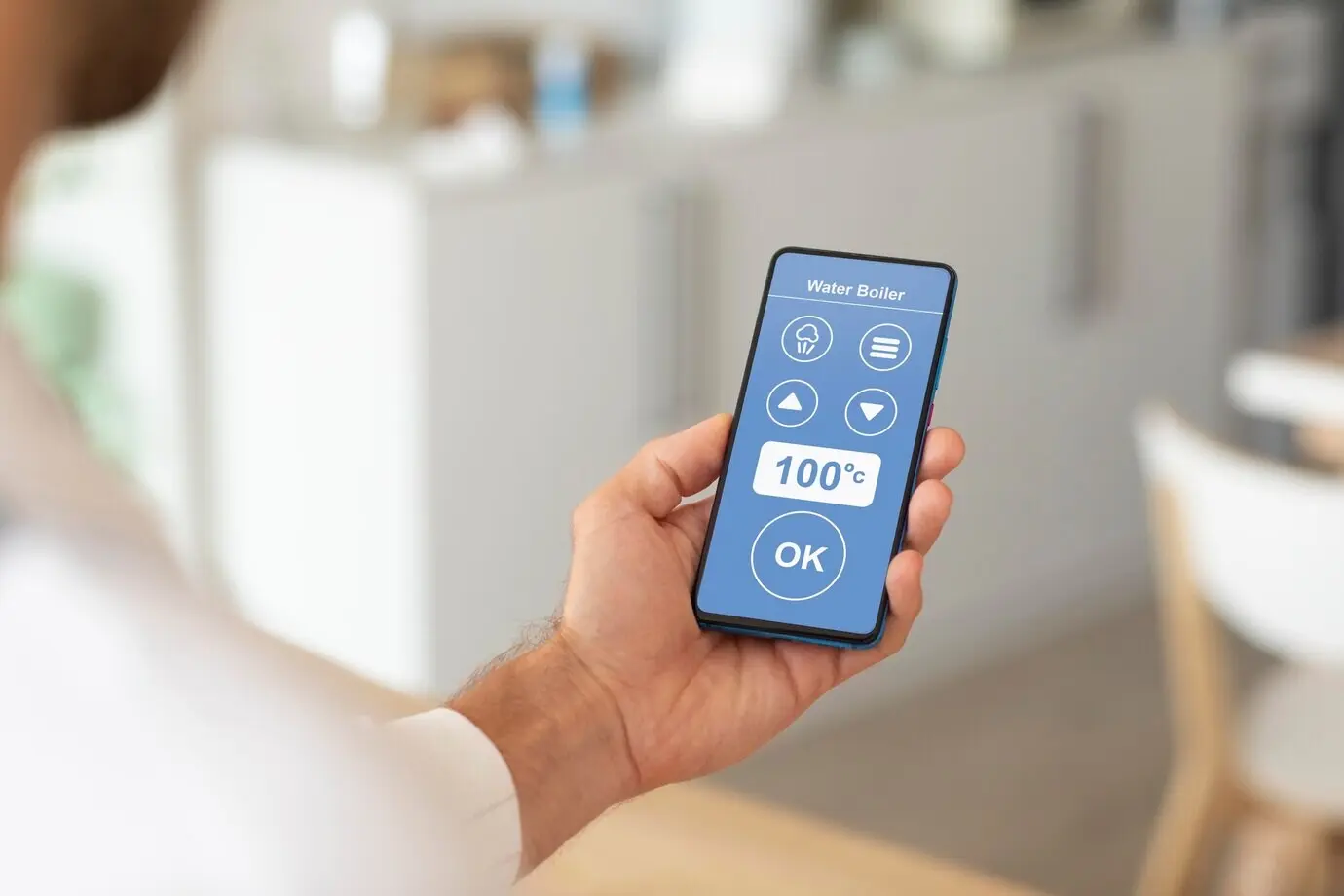
Lasting value demands trust. Prioritize local control with optional cloud, strong encryption, and clear update policies. Tie in motion, daylight, and occupancy data to cut waste while preserving comfort. Documentation, labeling, and inspections keep insurers, facility teams, and auditors confident as spaces evolve unpredictably yet safely over time.
Zomikoxipuxifitimo
Privacy Overview

This website uses cookies so that we can provide you with the best user experience possible. Cookie information is stored in your browser and performs functions such as recognising you when you return to our website and helping our team to understand which sections of the website you find most interesting and useful.